
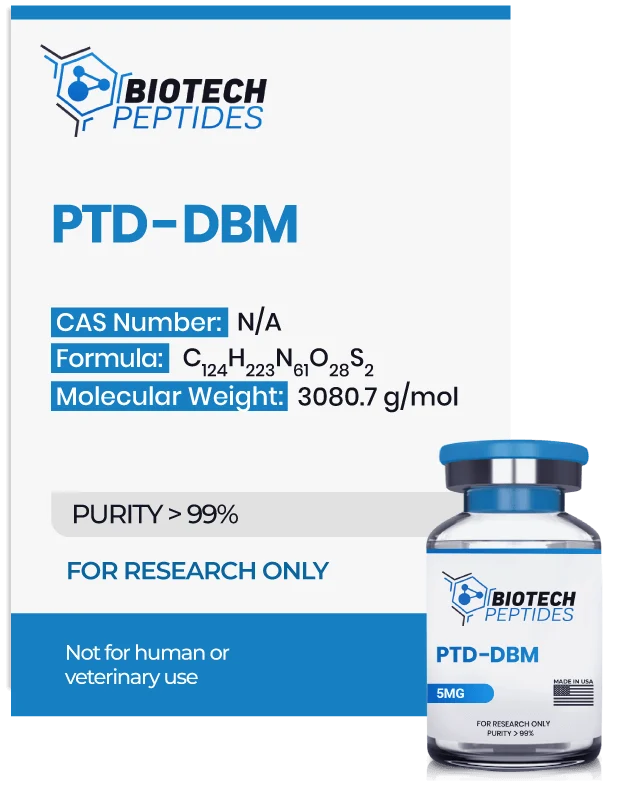
PTD-DBM (5mg)
PTD-DBM (5mg) is a specialized peptide research material intended for qualified laboratory, biochemical, and analytical research. For researchers and qualified buyers searching for PTD-DBM (5mg), key purchasing considerations include verified peptide identity, labeled quantity, purity specifications, lot traceability, storage requirements, and available analytical documentation.
Because PTD-DBM is an experimental research peptide and product naming may vary among suppliers, researchers should confirm the exact peptide sequence, molecular weight, formulation, and product specifications for the specific lot before purchase or laboratory use.
What Is PTD-DBM?
PTD-DBM is a research peptide used in experimental studies involving peptide delivery, molecular interactions, and cellular research pathways. The abbreviation may refer to a peptide construct containing a protein transduction domain (PTD) combined with a research-specific functional peptide sequence.
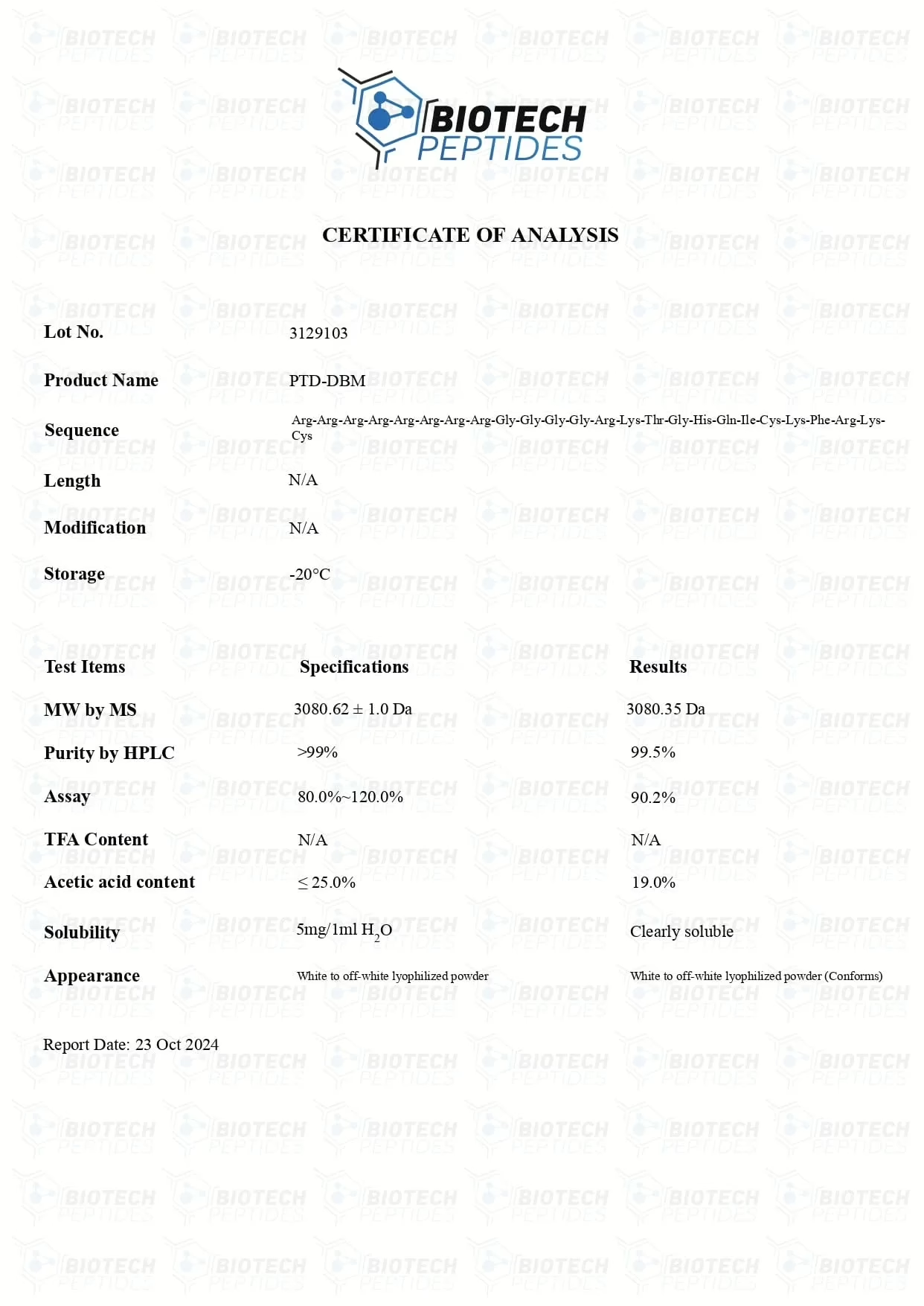
The precise identity of a PTD-DBM product can depend on the manufacturer or research source. For this reason, qualified buyers should not rely solely on the product name when evaluating the material. Instead, review the supplier’s technical documentation for:
- Complete peptide sequence,
- Molecular formula,
- Molecular weight,
- Purity specification,
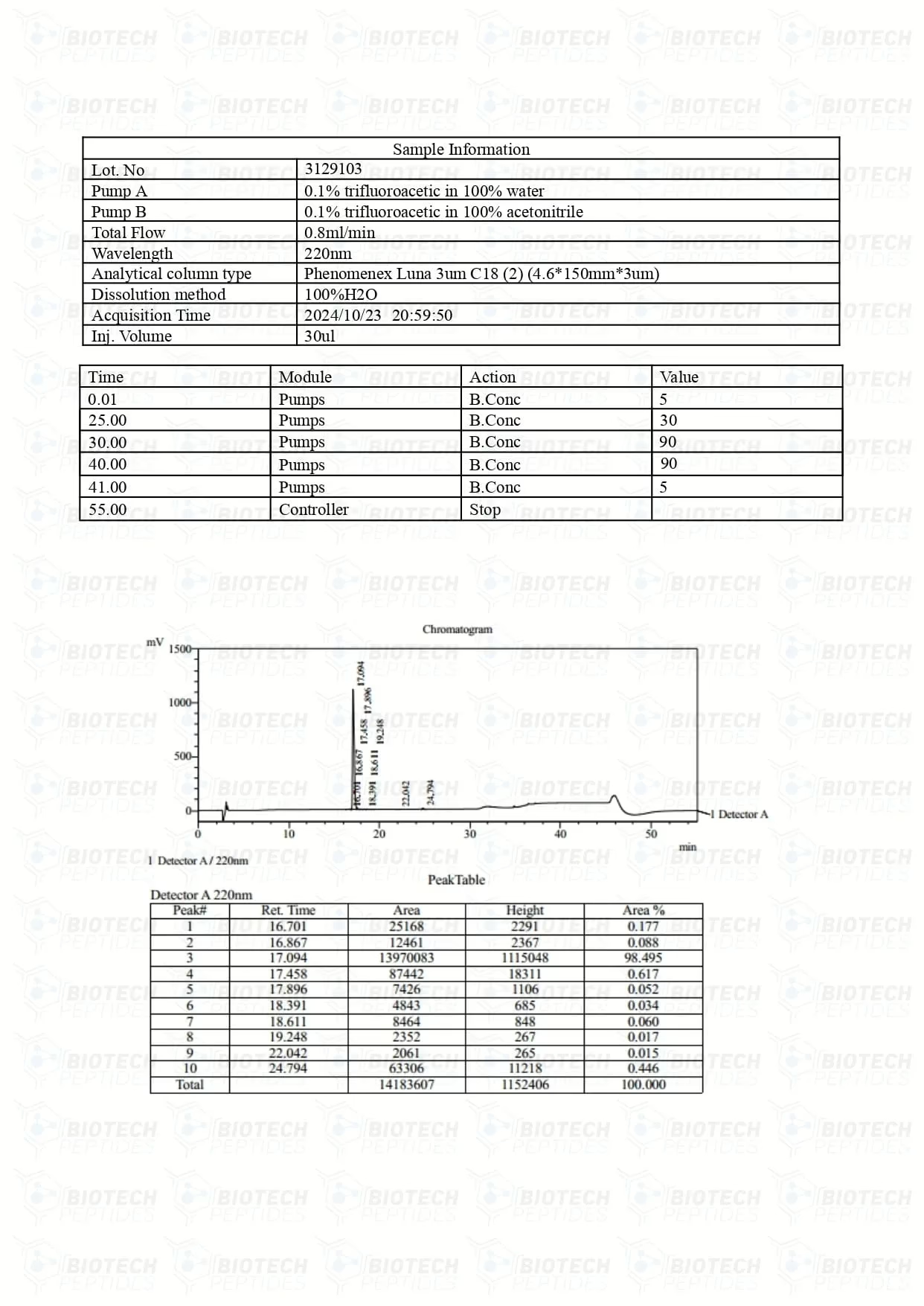
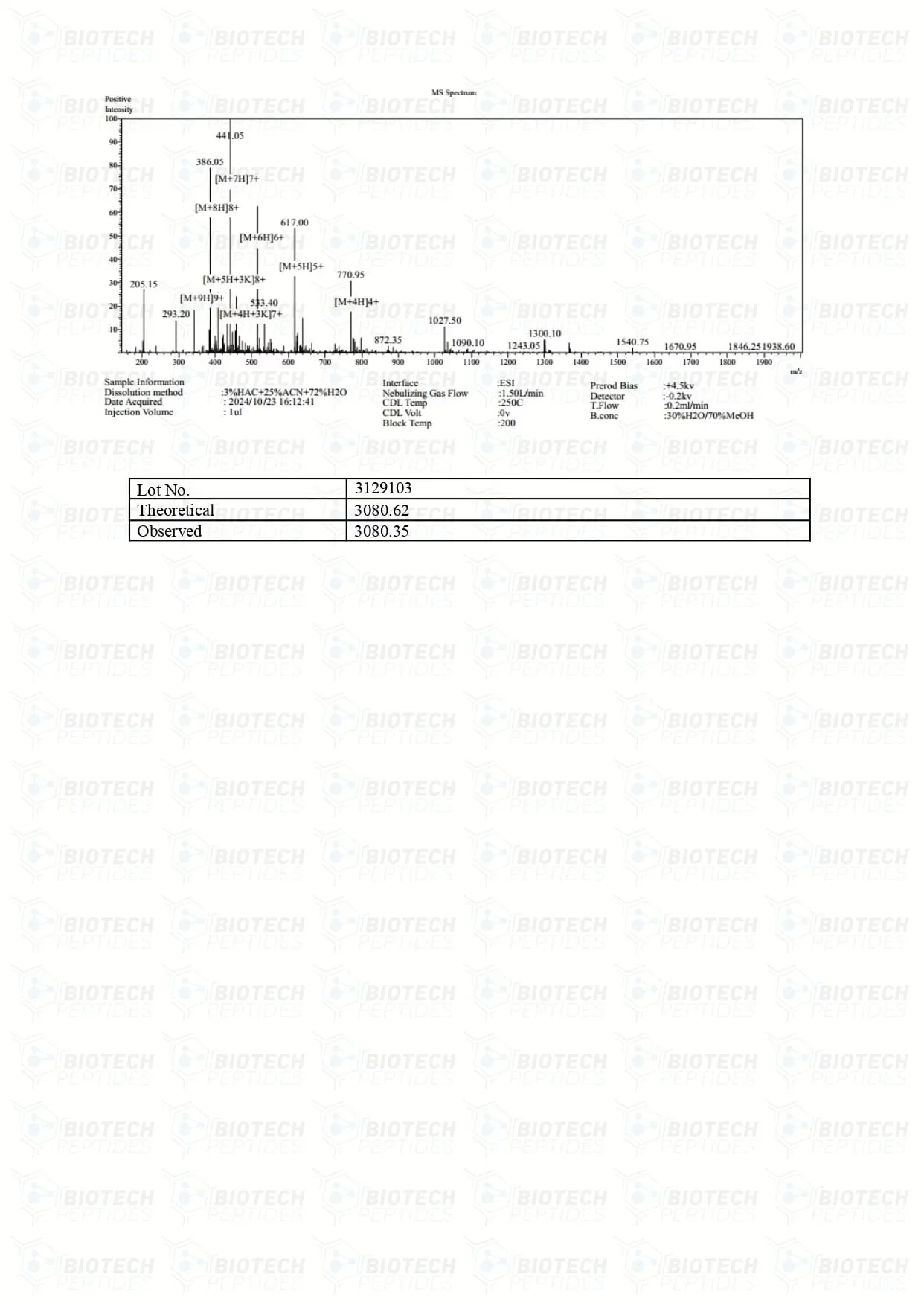
- Analytical testing method,
- Salt or carrier information,
- Storage requirements,
- Lot number,
- Certificate of Analysis.
The 5mg designation refers to the labeled quantity of research material supplied. It does not indicate purity or a recommended human dose.
Ingredients
Primary Ingredient: PTD-DBM
Labeled quantity: 5mg.
The primary research ingredient is identified as PTD-DBM. Because the exact sequence and formulation can vary by manufacturer, the complete molecular composition should be confirmed through the product’s official technical specifications and lot-specific analytical documentation.
Depending on the product format, additional materials such as salts, stabilizers, or excipients may be present.
For accurate ingredient information, qualified buyers should review the current product label and Certificate of Analysis before use.
PTD-DBM Research Applications
PTD-DBM may be evaluated by qualified researchers in controlled studies involving:
- Peptide characterization,
- Molecular interaction research,
- Cellular uptake research,
- Protein transduction research,
- Experimental peptide delivery,
- Structure-function investigations,
- Stability studies,
- Analytical testing,
- Controlled cell-based research,
- Comparative peptide studies.
These are experimental research areas and should not be interpreted as established therapeutic or clinical applications.
Why Choose PTD-DBM (5mg)?
When sourcing PTD-DBM (5mg) for qualified research, product documentation and identity verification are essential.
Defined 5mg Quantity
The product provides a labeled quantity of 5mg PTD-DBM for controlled laboratory research. The quantity supplied should be evaluated according to the requirements of the specific research protocol.
Research-Focused Material
PTD-DBM may be relevant to experimental studies involving peptide transport, molecular interactions, and cellular research models.
Lot Traceability
Lot and batch information can help researchers document materials used in experimental procedures and support reproducibility.
Analytical Documentation
A lot-specific Certificate of Analysis (COA), where available, can provide important information regarding identity, purity, and analytical testing.
Controlled Laboratory Applications
Qualified researchers can evaluate the peptide’s properties under appropriate experimental conditions based on the objectives of their research.
Product Specifications
Product Name: PTD-DBM
Labeled Quantity: 5mg
Primary Ingredient: PTD-DBM peptide
Product Category: Experimental peptide research material
Potential Research Areas: Peptide characterization, molecular interactions, cellular uptake, and protein transduction research
Documentation: Manufacturer specifications and Certificate of Analysis where available
Human Consumption: Not intended for human consumption
Always verify the specifications associated with the exact lot before conducting research.
Dosage and Research Handling Guide
There is no established FDA-approved human dosage for PTD-DBM (5mg). As an experimental research material, it should not be accompanied by a human dosing, injection, or self-administration protocol.
For qualified laboratory research, experimental concentrations and preparation methods should be determined by appropriately trained personnel according to an approved or scientifically appropriate research protocol.
Important experimental factors may include:
- Research objective,
- Experimental model,
- Verified peptide sequence,
- Molecular weight,
- Product purity,
- Solubility,
- Experimental concentration,
- Exposure period,
- Stability,
- Analytical method,
- Laboratory safety procedures.
The 5mg quantity represents the amount supplied and is not a recommended dose.
Because PTD-DBM products may differ in sequence or formulation, researchers should not transfer experimental protocols from similarly named products without first confirming the exact material identity.
Storage and Handling
Store PTD-DBM (5mg) according to the manufacturer’s instructions.
Before laboratory use, verify:
- Product identity,
- Complete peptide sequence,
- Labeled quantity,
- Lot or batch number,
- Packaging integrity,
- Storage conditions,
- Expiration or retest information,
- Purity specifications,
- Certificate of Analysis.
Maintain appropriate laboratory handling procedures and avoid using material with compromised packaging or unverifiable specifications.
Frequently Asked Questions
What is PTD-DBM (5mg)?
PTD-DBM (5mg) is an experimental peptide research material supplied in a labeled quantity of 5mg for qualified laboratory and analytical research.
What are the ingredients?
The primary ingredient is identified as PTD-DBM. The exact peptide sequence and complete composition should be verified using the supplier’s technical documentation.
What does the 5mg designation mean?
It indicates the labeled quantity of material supplied. It does not indicate purity, potency, or a recommended human dose.
What is PTD-DBM researched for?
Experimental research may investigate peptide characteristics, molecular interactions, cellular uptake, protein transduction, and related laboratory pathways.
Is PTD-DBM an approved medication?
PTD-DBM should not be represented as an approved medication or established treatment for any medical condition.
What is the recommended dosage?
There is no established FDA-approved human dosage for PTD-DBM. Qualified researchers should determine experimental concentrations based on their specific laboratory protocol.
Does 5mg indicate purity?
No. Quantity and purity are separate specifications. Purity should be confirmed through manufacturer documentation and available analytical testing.
Final Conclusion
PTD-DBM (5mg) is an experimental peptide research material intended for qualified laboratory, biochemical, cellular, and analytical studies. For researchers sourcing PTD-DBM (5mg), verifying the exact peptide sequence, molecular identity, labeled quantity, purity specifications, storage requirements, lot traceability, and Certificate of Analysis is essential.
The 5mg format provides a clearly labeled quantity for controlled research applications, while the exact experimental concentration and handling procedures should be determined by qualified personnel using an appropriate research protocol.
Reviews
There are no reviews yet.