
ARA-290 (16mg)
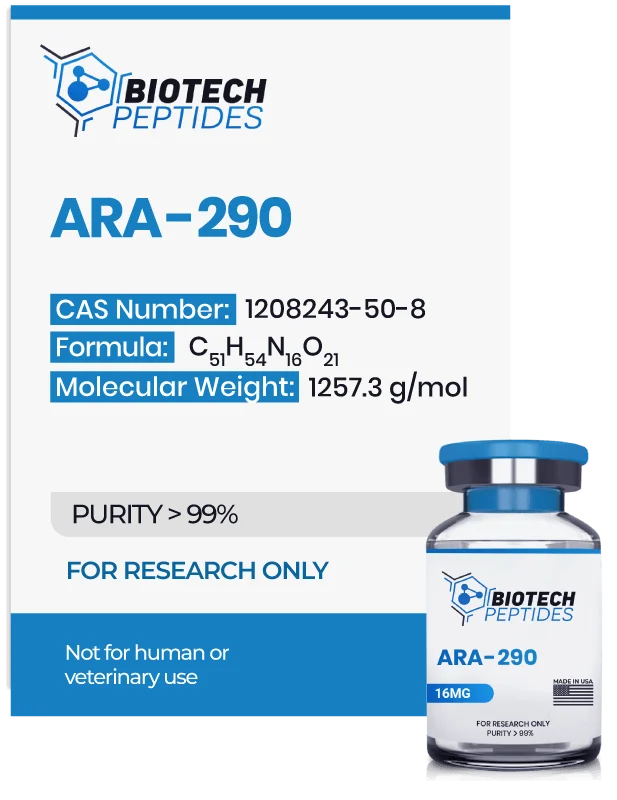
ARA-290 (16mg) is an experimental research peptide designed for laboratory investigation into erythropoietin-derived signaling, tissue-protective pathways, cellular responses, and related molecular mechanisms. This 16mg research format is intended for qualified researchers and laboratories studying peptide biology, cellular signaling, neurobiology, inflammation-related pathways, and experimental tissue-protection mechanisms.
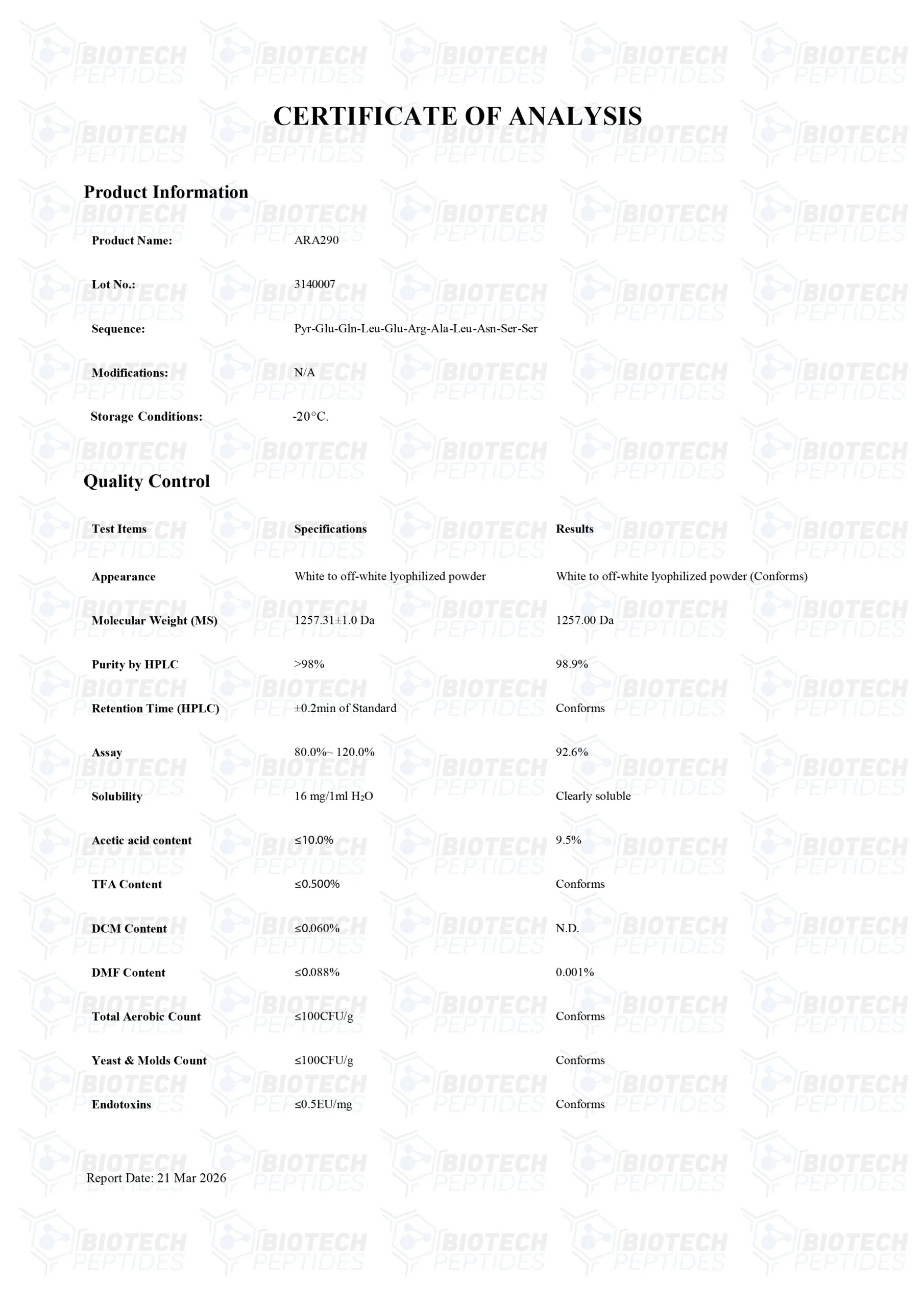
For researchers searching for ARA-290 (16mg), product identity, batch documentation, analytical testing, purity information, and formulation details are important considerations when selecting research material. Always verify the specifications supplied for the individual batch before beginning an experiment.
ARA-290 (16mg) Product Overview
ARA-290 is a synthetic peptide derived from a region of erythropoietin (EPO) that has been investigated independently of EPO’s classical hematopoietic activity. Research has examined ARA-290 in connection with tissue-protective signaling and cellular mechanisms, making it an interesting experimental material for studies involving peptide signaling and cellular biology.
The ARA-290 (16mg) format provides a defined quantity of research material for laboratory workflows requiring controlled experimental quantities. Researchers should establish experimental concentrations according to validated protocols, assay requirements, laboratory conditions, and the characteristics of the specific research system being studied.
Ingredients
The listed active research material is:
- ARA-290 – 16mg
The exact formulation may vary depending on the supplier and preparation. Researchers should consult the product label, Certificate of Analysis (COA), specification sheet, and accompanying documentation for information concerning purity, salts, buffers, stabilizers, residual solvents, or other formulation components.
Do not assume that the 16mg package quantity represents a recommended dose or administration amount.
ARA-290 Research Applications
Erythropoietin-Derived Peptide Research
ARA-290 has been investigated as an erythropoietin-derived peptide in experimental systems. Researchers can use this material when studying signaling pathways associated with EPO-derived peptide sequences and their biological activity.
Cellular Signaling Research
ARA-290 research can support laboratory investigations into receptor-mediated signaling, intracellular responses, and molecular pathways associated with tissue-protective mechanisms.
Neurobiology Research
Experimental research has examined ARA-290 in neurological and cellular models. Researchers investigating neuronal signaling, cellular stress responses, and related molecular mechanisms may find ARA-290 useful as an experimental research material.
Inflammation-Related Research
ARA-290 has also attracted scientific interest in experimental models involving inflammatory signaling and tissue responses. Such studies may help researchers investigate interactions between peptide signaling and cellular responses under controlled laboratory conditions.
Tissue-Protection Research
Another area of experimental interest involves mechanisms associated with tissue protection. Researchers can investigate how ARA-290 interacts with relevant molecular pathways in appropriately validated laboratory models.
Why Choose ARA-290 (16mg) for Research?
When purchasing ARA-290 (16mg) for laboratory use, researchers should look beyond package size and evaluate the quality documentation accompanying the material.
Important considerations include:
- Clearly identified ARA-290 material
- Stated peptide quantity of 16mg
- Batch or lot identification
- Certificate of Analysis
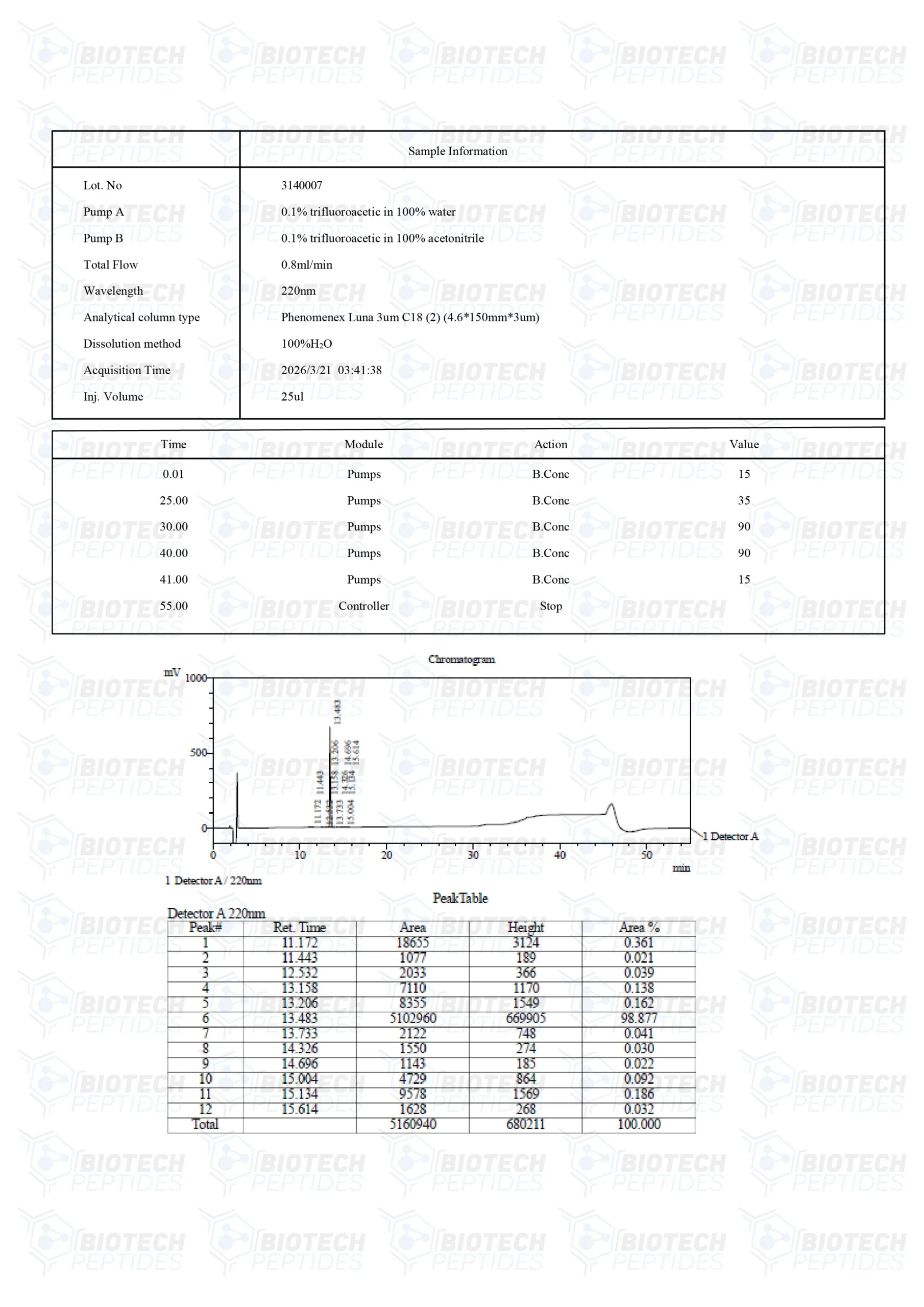
- Purity information
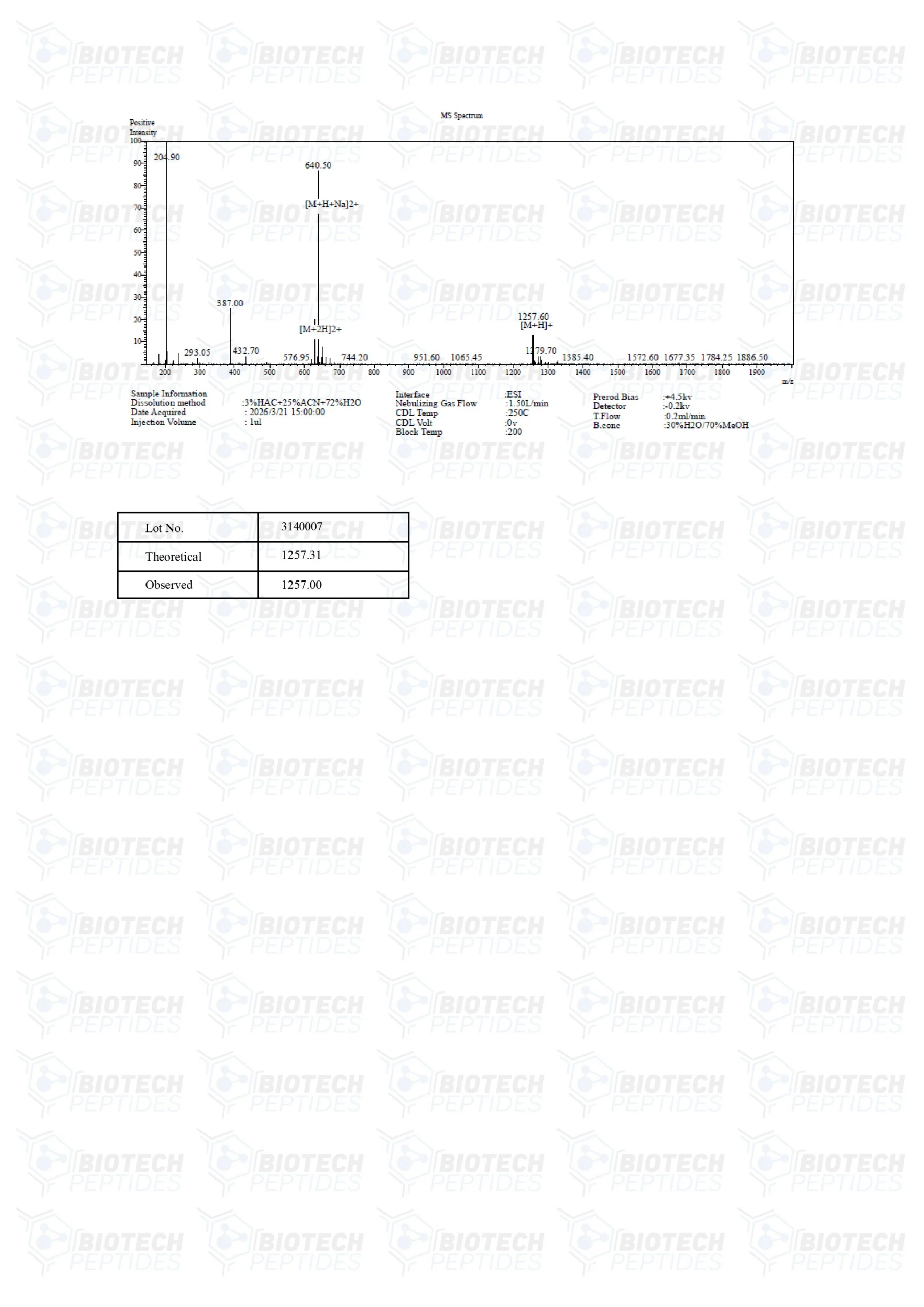
- Analytical testing documentation
- Appropriate storage information
- Product specifications
- Research-use labeling
- Supplier traceability
A reliable research product should have documentation allowing the laboratory to verify the material’s identity and stated specifications.
ARA-290 (16mg) Research Concentration Guide
There is no universally applicable human dosage for this experimental research peptide, and the 16mg package size should not be interpreted as a dosage recommendation.
For laboratory experiments, researchers should determine the appropriate working concentration from an established, validated protocol applicable to the specific assay or experimental model.
A basic laboratory calculation is:
Required peptide amount = Target experimental concentration × Final experimental volume
For example, if a validated laboratory protocol specifies a particular target concentration and final experimental volume, the researcher can calculate the corresponding amount of peptide required using the formula above.
The appropriate concentration depends on factors such as:
- Experimental model
- Cell type
- Assay design
- Exposure conditions
- Experimental volume
- Research objective
- Validated literature protocol
- Peptide purity
- Supplier formulation
- Stability requirements
Researchers should follow institutional laboratory procedures and validated experimental protocols rather than applying dosing information intended for unrelated compounds, models, or studies.
Storage and Handling
ARA-290 should be stored and handled according to the supplier’s product documentation and the requirements of the specific research laboratory.
Before use, researchers should review:
- Certificate of Analysis
- Storage temperature
- Stability information
- Reconstitution or preparation instructions supplied by the manufacturer
- Lot-specific specifications
- Recommended handling conditions
Avoid repeated unnecessary temperature changes or handling outside the manufacturer’s stated specifications.
Buying ARA-290 (16mg) for Laboratory Research
Researchers looking to buy ARA-290 (16mg) should prioritize suppliers that provide transparent product information and appropriate analytical documentation.
Before purchasing, verify:
Product identity: Confirm that the material is specifically identified as ARA-290.
Quantity: Confirm that the product contains the advertised 16mg amount.
Purity: Review the stated purity and available analytical documentation.
COA: Request or review the Certificate of Analysis for the relevant batch.
Lot information: Batch identification helps improve laboratory traceability.
Storage: Confirm that appropriate storage and handling information is provided.
Research-use designation: The material should be clearly marketed for legitimate laboratory research rather than presented as an approved therapeutic product.
ARA-290 (16mg) Quality Considerations
Quality control is particularly important when purchasing experimental peptides. Researchers should look for documentation supporting peptide identity and purity rather than relying exclusively on marketing terminology such as “research grade” or “high purity.”
Useful analytical information may include appropriate chromatographic testing, mass-spectrometry confirmation, peptide purity measurements, lot information, and other supplier-provided quality documentation.
The exact analytical specifications should always be verified against the documentation for the particular batch being purchased.
Frequently Asked Questions
What is ARA-290 (16mg)?
ARA-290 (16mg) is an experimental peptide research material derived from erythropoietin-related peptide sequences and supplied in a 16mg quantity for laboratory research.
What is ARA-290 used for in research?
ARA-290 has been investigated in experimental research involving erythropoietin-derived signaling, cellular pathways, neurobiology, inflammation-related mechanisms, and tissue-protective responses.
Does 16mg mean the recommended dose?
No. 16mg refers to the quantity of research material in the product and is not a recommended human dose.
Can I use ARA-290 for human consumption?
ARA-290 described here is intended as an experimental research material and is not intended for human consumption, injection, or unsupervised self-administration.
What should I check before buying ARA-290?
Check product identity, stated quantity, purity information, lot number, COA, analytical testing, storage requirements, and supplier documentation.
How should researchers determine an experimental concentration?
Researchers should use an appropriately validated scientific protocol for their specific experimental system. A general calculation is target concentration × final experimental volume = required peptide amount.
Order ARA-290 (16mg) for Research
For laboratories sourcing ARA-290 (16mg), selecting properly documented research material is an important part of experimental quality control. Verify the product specifications, batch documentation, analytical results, storage requirements, and research-use designation before purchasing.
Whether your work involves peptide biology, cellular signaling, neurobiology, molecular research, or experimental tissue-protection pathways, ARA-290 can serve as a material for controlled laboratory investigation when used according to appropriate scientific protocols.
ARA-290 (16mg) — experimental research material for qualified laboratory research.
Reviews
There are no reviews yet.