
Mod GRF 1-29 & GHRP-2 Blend (10mg)
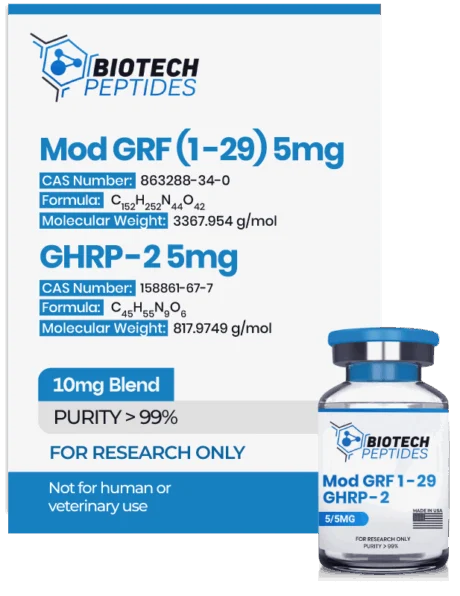
Mod GRF 1-29 & GHRP-2 Blend (10mg) is a specialized two-peptide formulation combining Mod GRF 1-29 and GHRP-2 in a single research-oriented blend. This formulation is designed for customers and laboratories specifically seeking a convenient combination of peptides associated with research into growth-hormone-related signaling pathways.
For customers searching for Mod GRF 1-29 & GHRP-2 Blend (10mg), this product page provides detailed information about the ingredients, formulation, specifications, purchasing considerations, storage, and responsible-use guidance.
What Is Mod GRF 1-29 & GHRP-2 Blend (10mg)?
Mod GRF 1-29, commonly referred to as Modified GRF 1-29, is a synthetic peptide related to growth hormone-releasing hormone (GHRH). GHRP-2 is a synthetic growth hormone secretagogue that has been investigated for its effects on growth hormone secretion.
The combination of these two compounds makes this formulation relevant to research involving interactions between GHRH-related signaling and growth hormone secretagogue pathways.
This product should not be marketed as a treatment for growth hormone deficiency, weight loss, muscle growth, anti-aging, injury recovery, or another medical condition. Research findings involving peptides should not automatically be interpreted as established human therapeutic benefits.
Mod GRF 1-29 & GHRP-2 Ingredients
Mod GRF 1-29
Mod GRF 1-29 is a modified analogue based on the first 29 amino acids of growth hormone-releasing hormone. It is commonly investigated in laboratory research involving peptide signaling and growth hormone pathways.
The “modified” designation distinguishes this compound from naturally occurring GHRH and from other GHRH-related peptide preparations.
GHRP-2
GHRP-2, also known as growth hormone-releasing peptide-2, is a synthetic peptide secretagogue studied for its relationship to growth hormone secretion.
Researchers should verify the exact identity, purity, composition, and documentation of any GHRP-2 material before using it in laboratory work. FDA has identified potential safety concerns associated with compounded GHRP-2, including immunogenicity and peptide-related impurities.
Why Choose a 10mg Mod GRF 1-29 & GHRP-2 Blend?
The Mod GRF 1-29 GHRP-2 Blend 10mg format combines two different peptide compounds into one formulation.
This may be useful for appropriately conducted research involving:
- Growth hormone signaling,
- GHRH-related pathways,
- Growth hormone secretagogue research,
- Peptide pharmacology,
- Endocrine signaling,
- Comparative peptide research,
- Laboratory peptide studies.
The 10mg label represents the stated total amount of the blend. It does not necessarily mean 10mg of Mod GRF 1-29 plus 10mg of GHRP-2.
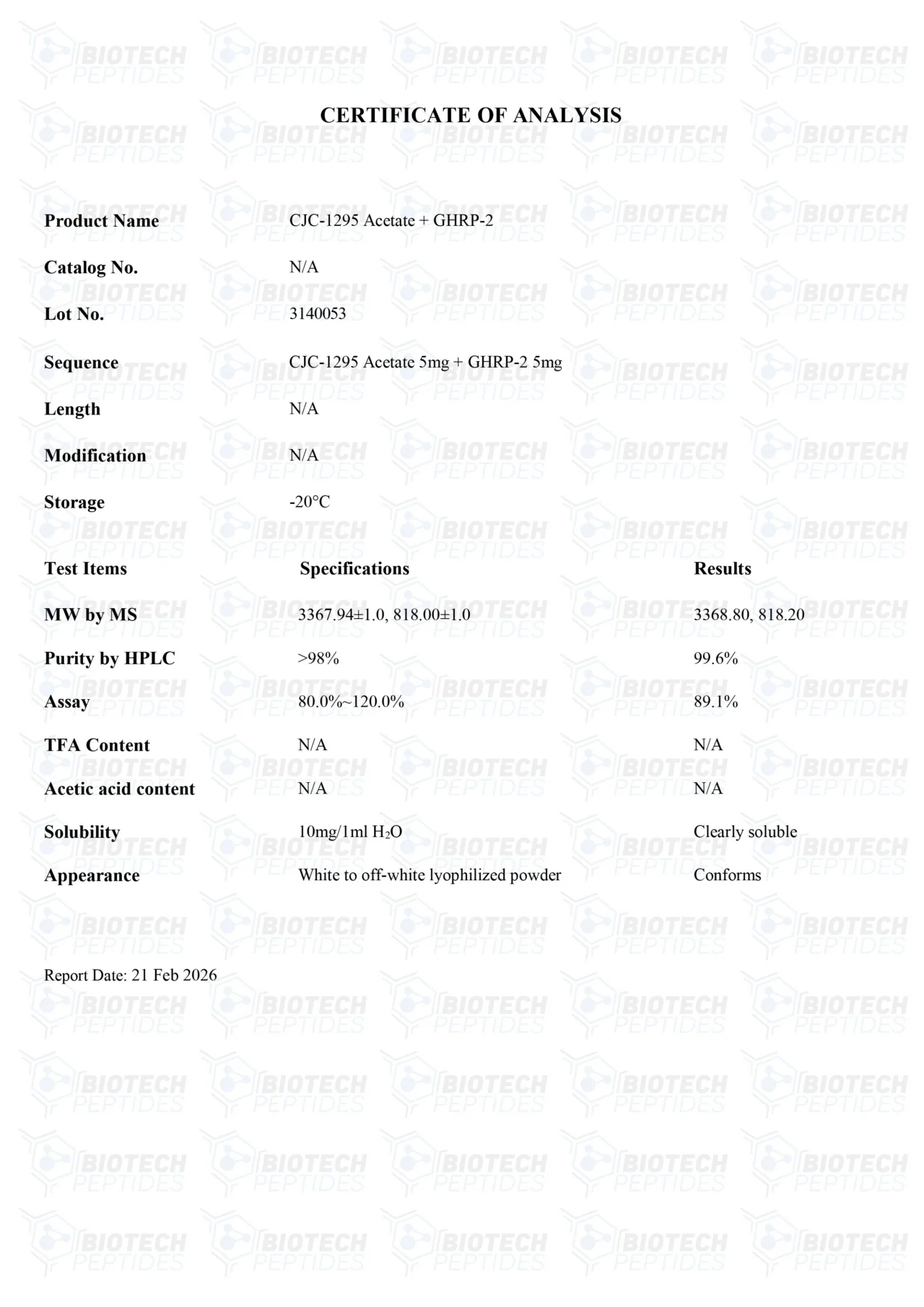
The exact ratio should always be confirmed through the product label and certificate of analysis, when available.
Product Specifications
Product name: Mod GRF 1-29 & GHRP-2 Blend (10mg)
Total labeled quantity: 10mg
Ingredients: Mod GRF 1-29 and GHRP-2
Product type: Peptide research blend
Formulation: Verify the specific manufacturer’s presentation
Intended purpose: Research/laboratory use where legally permitted
Customers should review the manufacturer’s documentation before purchasing or handling the product.
Mod GRF 1-29 & GHRP-2 Dosage Guide
There is no universally appropriate human dosage that can safely be provided for this combined 10mg formulation.
A total vial quantity cannot be used by itself to establish a dose because the appropriate amount depends on the exact ratio of Mod GRF 1-29 to GHRP-2, concentration, formulation, intended use, route of administration, and individual circumstances.
For this reason, customers should not convert the 10mg total into an injection volume or create a dosing schedule based on generic internet protocols.
For any contemplated human use, a qualified healthcare professional should review the exact product documentation and determine whether the formulation is appropriate and, if so, establish the appropriate administration instructions.
For laboratory research, researchers should follow their institutionally approved protocol and manufacturer instructions.
Important Dosing Considerations
Before any human administration, professional evaluation should consider:
- Exact peptide composition,
- Concentration and formulation,
- Product quality documentation,
- Medical history,
- Current medications,
- Relevant laboratory monitoring,
- Potential contraindications,
- Appropriate administration method.
Do not treat dosing schedules published on forums, social media, or unofficial peptide websites as medically validated instructions.
How to Buy Mod GRF 1-29 & GHRP-2 Blend (10mg)
When purchasing Mod GRF 1-29 & GHRP-2 Blend (10mg), customers should prioritize transparency and product documentation.
Important considerations include:
- Clearly identified ingredients,
- Accurate total quantity,
- Batch or lot information,
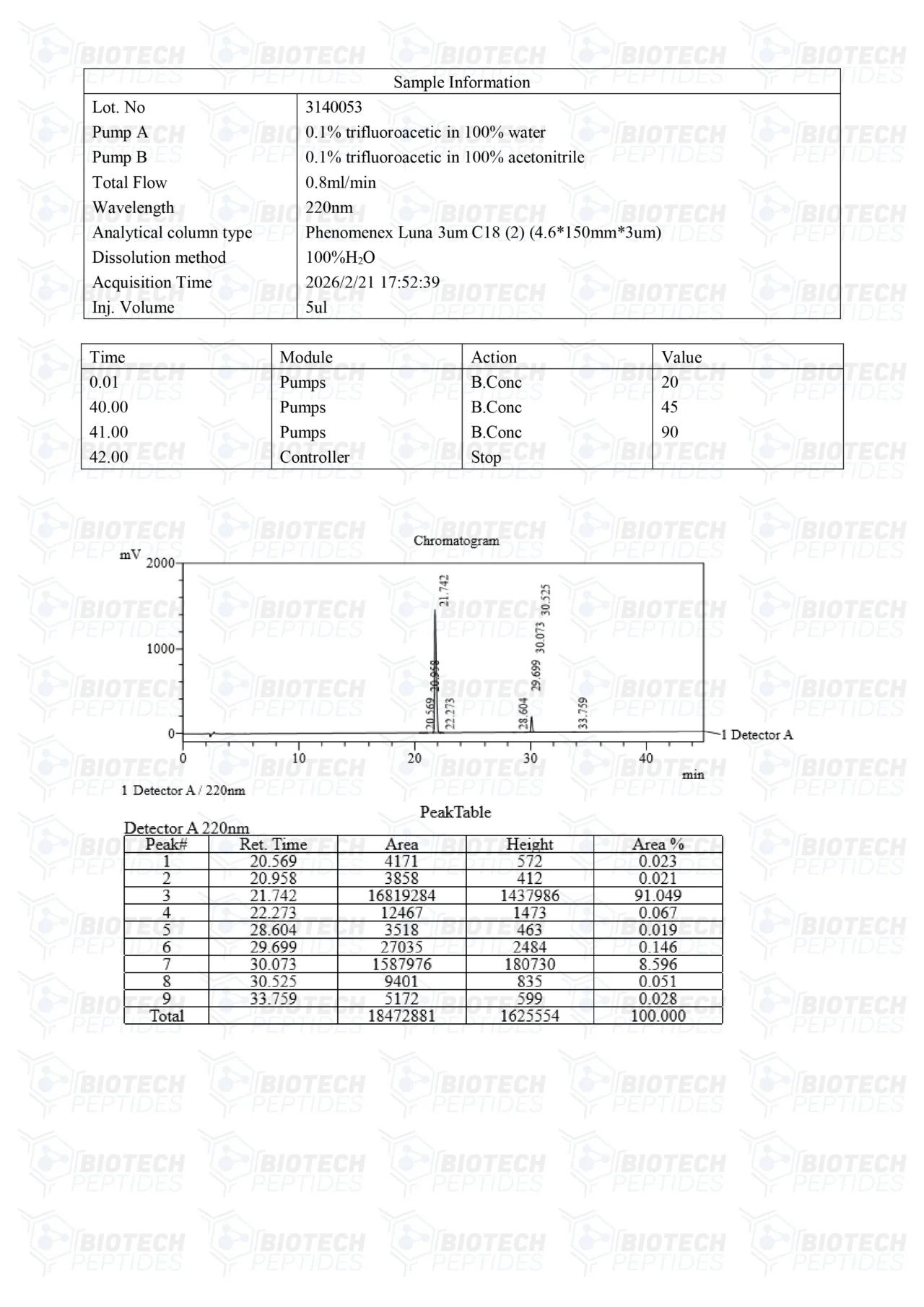
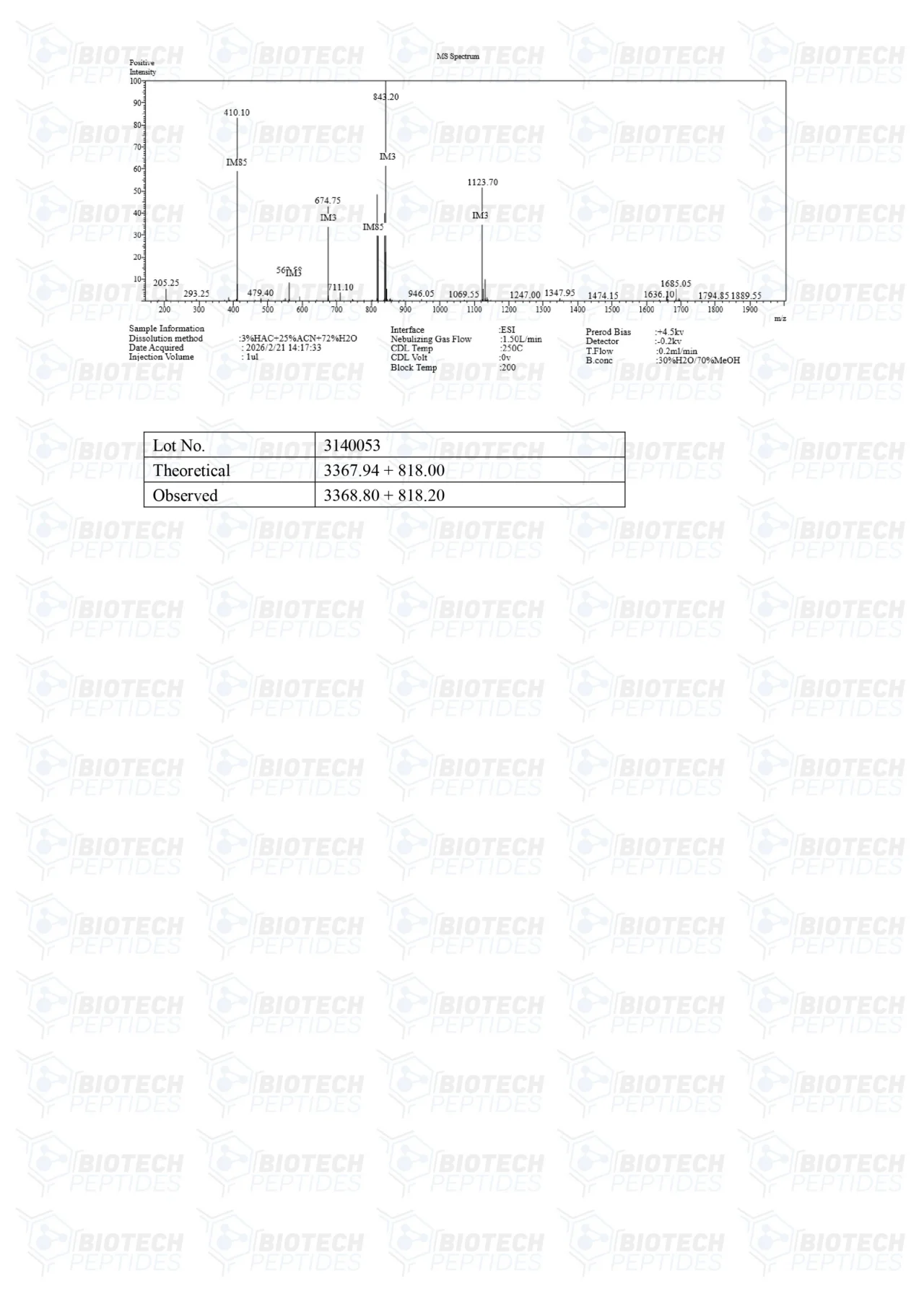
- Certificate of analysis where available,
- Purity information,
- Manufacturer or supplier details,
- Storage instructions,
- Appropriate intended-use labeling.
Avoid relying exclusively on marketing phrases such as “premium,” “pharmaceutical quality,” or “maximum potency” unless those claims are supported by appropriate documentation.
Storage and Handling
Follow the manufacturer’s specific storage requirements. Appropriate laboratory handling procedures should be used to maintain sample integrity and minimize contamination.
If the product is represented as sterile, customers should independently verify the supplier’s sterility and quality documentation rather than assuming that a peptide product is automatically suitable for injection.
Do not use products with compromised packaging, unclear labeling, unknown storage history, or inadequate documentation.
Frequently Asked Questions
What is Mod GRF 1-29 & GHRP-2 Blend (10mg)?
It is a two-peptide formulation containing Mod GRF 1-29 and GHRP-2 with a stated total quantity of 10mg.
What are the ingredients?
The named peptide ingredients are Mod GRF 1-29 and GHRP-2. The precise quantity of each component should be verified through the manufacturer’s documentation.
Does 10mg mean 10mg of each peptide?
No. 10mg refers to the stated total amount of the blend, not necessarily 10mg of each individual peptide. Check the manufacturer’s specifications for the exact ratio.
How should Mod GRF 1-29 & GHRP-2 be dosed?
There is no universal human dosing protocol for this combination that can safely be provided. Any human-use dosing should be determined by an appropriately qualified healthcare professional using the exact formulation and relevant individual information.
Is Mod GRF 1-29 FDA approved?
Customers should distinguish between research compounds and FDA-approved medicines. The regulatory status of a specific product depends on its formulation, intended use, and jurisdiction.
Buy Mod GRF 1-29 & GHRP-2 Blend (10mg)
For customers specifically searching for Mod GRF 1-29 & GHRP-2 Blend (10mg), this product offers a clearly identified two-peptide formulation featuring Mod GRF 1-29 and GHRP-2.
When comparing peptide products, evaluate ingredient transparency, batch documentation, quality testing, supplier information, storage requirements, and applicable regulations.
The Mod GRF 1-29 & GHRP-2 Blend (10mg) should be presented accurately as a specialized peptide research formulation without unsupported claims regarding disease treatment, guaranteed muscle growth, weight loss, anti-aging effects, or injury recovery.
Always review the manufacturer’s product documentation and applicable regulations before purchasing, handling, or using the product.
Reviews
There are no reviews yet.